
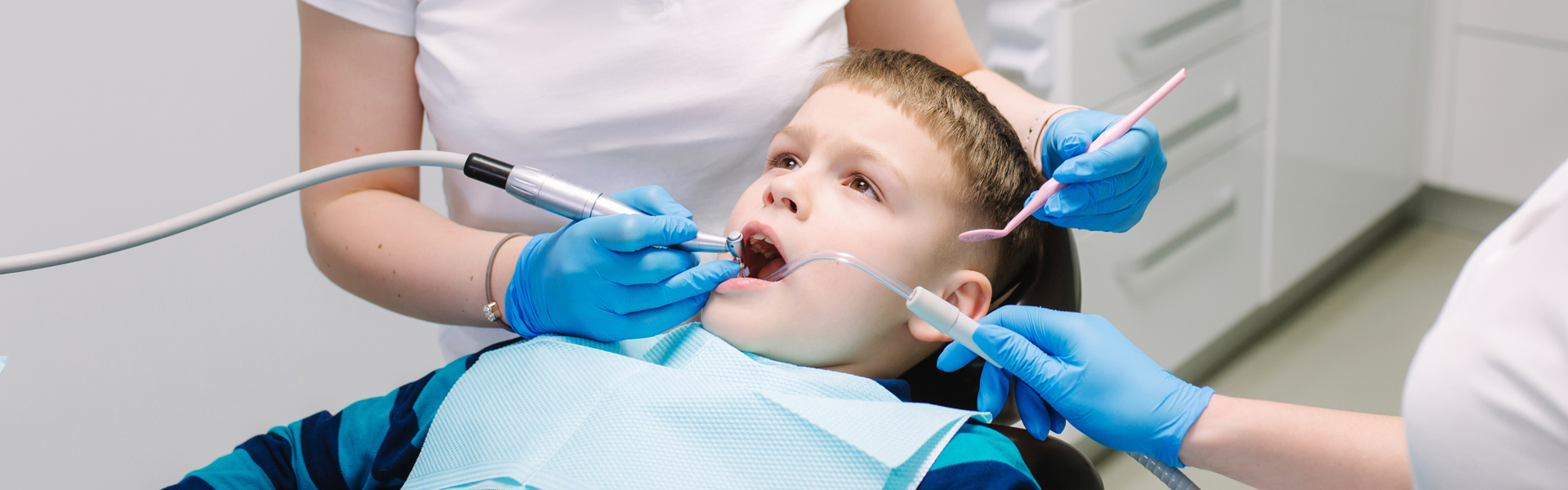
Sedation Options for Kids During Root Canal Therapy: Ensuring Comfort
As parents, we want our children to feel safe and cared for, especially when it comes to something as important as their smile. But let’s be honest—just hearing the words “root canal” can bring worry. You might picture a long, stressful appointment for your child, filled with fear and discomfort. The good news? Modern pediatric dentistry has changed that story.
This guide walks you through why sedation matters, what options are available, and how to prepare your child for a smooth experience.
Why Sedation is Important for Pediatric Root Canals
If you’re a parent, you know how tough dental visits can feel for kids. The thought of a root canal may sound overwhelming for both you and your child. That’s where sedation comes in.
Sedation isn’t just about keeping children still; it’s about protecting their comfort, easing fears, and ensuring the procedure goes smoothly. When a tooth is infected, delaying care can influence your child’s oral health and overall well-being. With sedation, children can relax while the dentist does the work needed to save their tooth.
Understanding Different Levels of Sedation
Every child is different, and so are their needs during dental treatment. Pediatric dentists offer a range of sedation options, each tailored to help children feel safe and calm.
Here’s a simple breakdown:
- Nitrous Oxide (“Laughing Gas”):
- Lightest option.
- Kids stay awake but relaxed.
- Wears off quickly with no lasting effects.
- Oral Sedation:
- Medicine taken by mouth before the procedure.
- Helps reduce anxiety and makes children drowsy, but they remain conscious.
- IV Sedation or General Anesthesia:
- Best for very anxious children or long procedures.
- Your child sleeps through the treatment and wakes up with no memory of it.
Choosing the Best Sedation Option for Your Child’s Needs
Parents often ask, “Which one is right for my child?” The answer depends on several factors:
- Your child’s age and ability to cooperate.
- Their level of dental anxiety.
- The length and complexity of the procedure.
- Any health conditions that might affect safety.
A local dentist or Greeley pediatric dentist will walk you through each option, explain risks and benefits, and recommend the safest plan.
Preparing Your Child for Sedation
Good preparation helps children feel confident on the day of their root canal. Here are some parent-tested tips:
- Talk honestly but gently. Use simple words like “medicine that helps you stay calm.”
- Follow the eating and drinking instructions. Most sedations require fasting for a few hours.
- Bring comfort items. A favorite blanket or toy can make a big difference.
- Plan for recovery. After sedation, your child may feel groggy. Clear your schedule and let them rest at home.
Safety First: What Parents Should Know
Sedation in dentistry is very safe when handled by trained professionals. Pediatric dentists receive special training to monitor children’s breathing, heart rate, and calmness throughout the procedure.
Look for:
- A dentist certified in pediatric sedation.
- A team equipped with emergency tools and monitoring equipment.
- Clear instructions for before and after the visit.
At Toothtown of Greeley, safety and comfort go hand in hand. Parents can stay assured knowing their child is in skilled, caring hands.
The Benefits of Sedation Beyond Comfort
Sedation isn’t only about making the appointment easier. It also provides long-term benefits:
- Prevents traumatic memories of dental visits.
- Encourages positive feelings about future care.
- Allows the dentist to complete complex work in fewer appointments.
- Gives parents peace of mind knowing treatment is thorough and stress-free.
When to Seek Help Right Away
If your child complains of tooth pain, don’t wait. Untreated infections can spread and cause complications. Quick action may prevent further damage. Search for a pediatric dentist near you who offers sedation services and has experience with young patients.
Making Root Canals Less Scary
Root canals have a scary reputation, but for kids, they don’t need to be. With the right sedation plan, children can have a calm, pain-free experience and leave the office with their smile protected.
Choosing sedation means your child avoids unnecessary stress, and you avoid future dental emergencies. Whether it’s nitrous oxide or general anesthesia, the goal remains the same: comfort, safety, and healing.
Conclusion
Sedation options give children the chance to get vital care without fear. Whether your child needs mild relaxation or deeper anesthesia, the right plan ensures their root canal is successful and stress-free.
Parents, trust that today’s pediatric dentistry focuses on compassion as much as clinical skill. Your child’s comfort matters every step of the way.
If your child needs kids’ root canal therapy in Greeley, CO, don’t let fear hold you back. Contact Toothtown of Greeley today to explore safe sedation options and protect your child’s smile for the future.
FAQ's
Sedation helps children feel calm, safe, and comfortable during treatment, easing anxiety and allowing the dentist to complete careful work without distress.
Common options include nitrous oxide (laughing gas), oral sedation, and IV sedation or general anesthesia, depending on the child’s needs and procedure complexity.
Nitrous oxide, aka laughing gas, is administered through a mask to help children feel more at ease during procedures while allowing them to remain conscious. Its effects dissipate rapidly once the treatment is completed.
Oral sedation is a medication taken before the appointment that makes a child calm and drowsy but still conscious, ideal for moderate anxiety or longer procedures.
IV sedation or general anesthesia provides deeper sedation, often for very anxious children or complex treatments, where the child may sleep through the procedure with no memory of it.
They consider factors like the child’s age, anxiety level, ability to cooperate, health history, and the length or complexity of the dental work.
Yes, sedation is considered safe when given by trained pediatric dental professionals with appropriate monitoring of vital signs and emergency protocols.
Follow pre-appointment instructions, such as fasting, talk calmly to your child about what to expect, and bring items to help them feel secure.
Even with sedation, local anesthesia is used so the child won’t feel pain during the root canal; sedation mainly helps with anxiety and cooperation.
Kids might experience some drowsiness or fatigue following the procedure. It's important to relax at home and adhere to your dentist's aftercare guidelines to ensure a smooth recovery.